Fecha de evento: 24/03/2026
Hora: 11:00-12:30
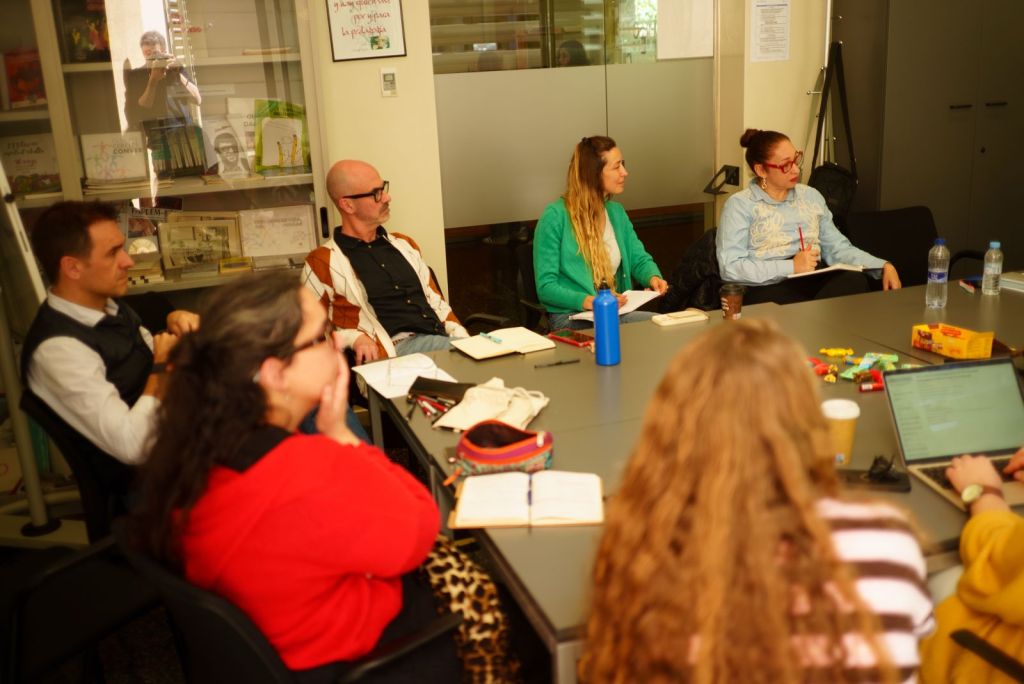
Lugar: «Paulo Freire» (sala 029), Facultad de Psicología y Educación, Universitat de Girona
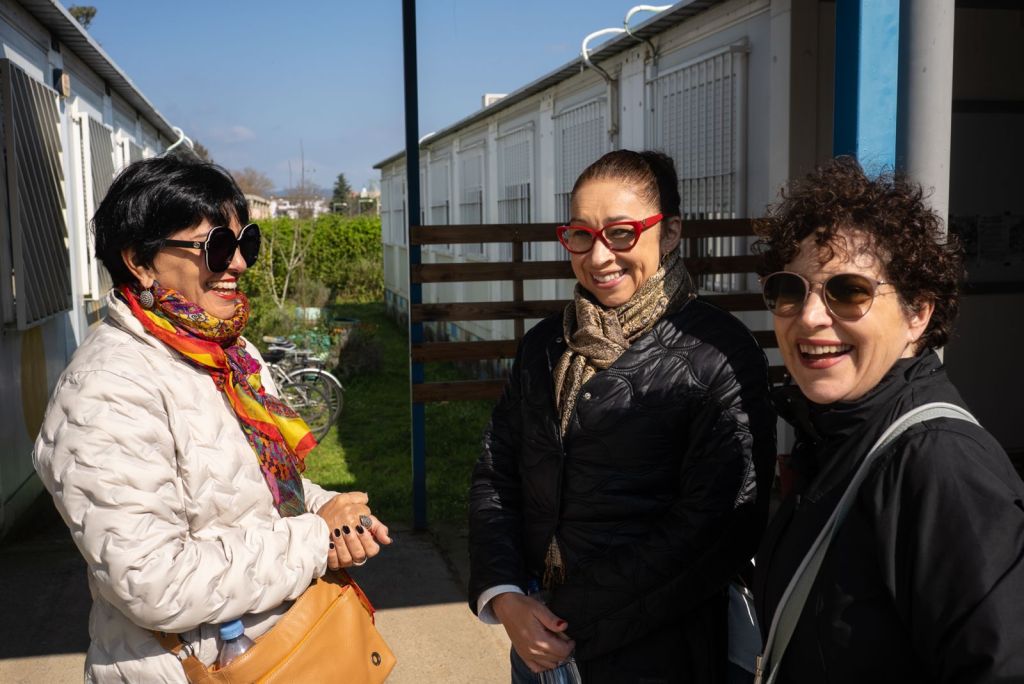
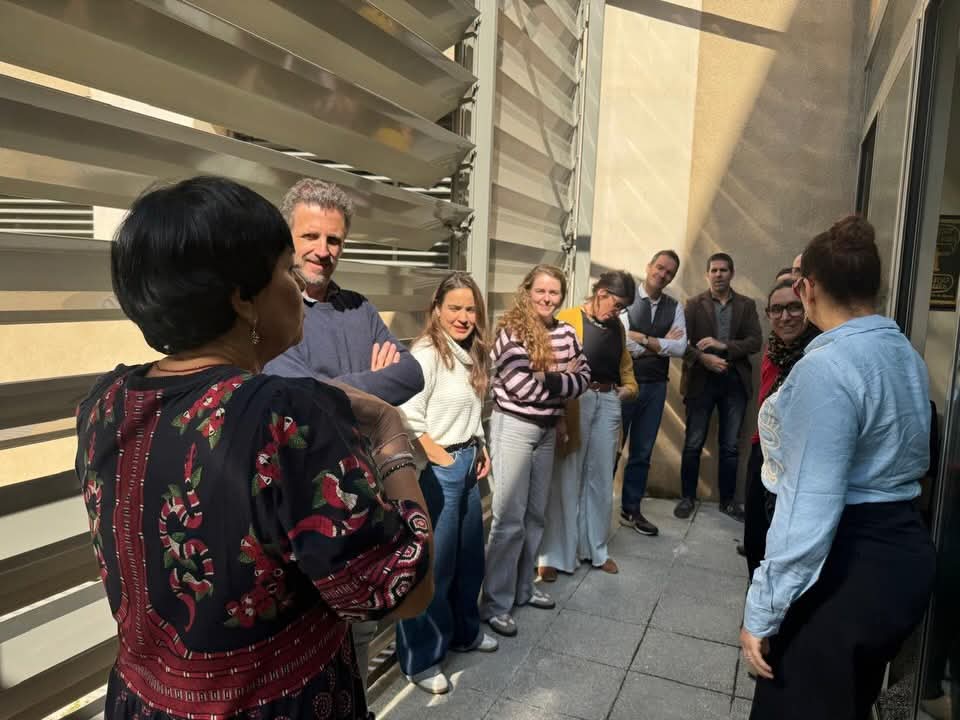
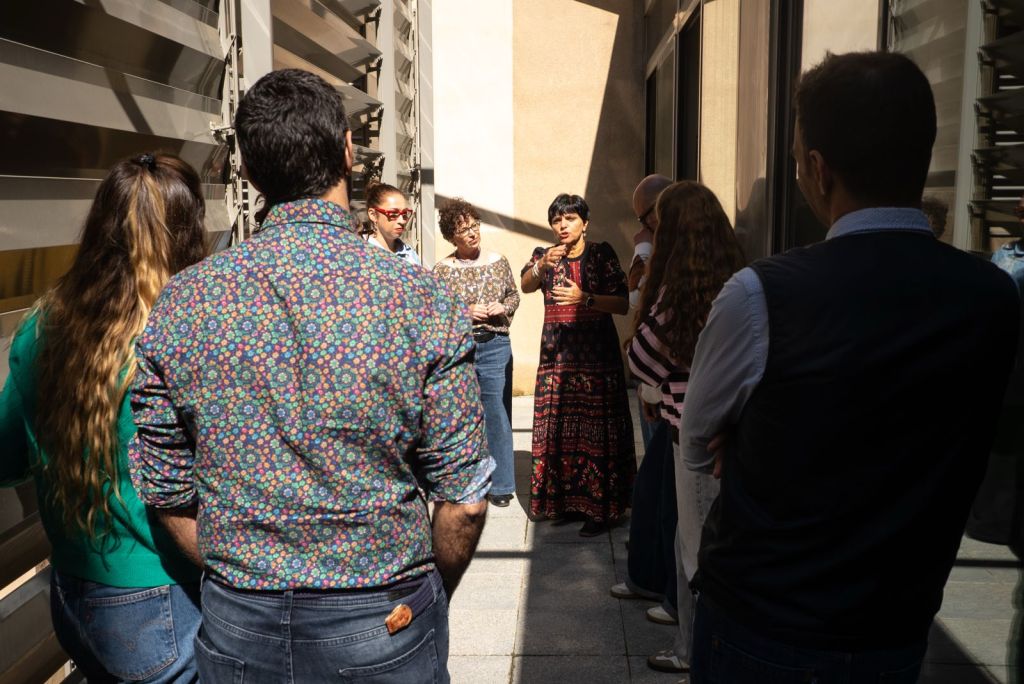
El passat 24 de març vam tenir el plaer de comptar amb la presencia de tres investigadoras i docents de São Paulo. Fernanda Liberali va parlar sobre la necessitat, en l’actual context global de dinàmiques de necropolítica, d’emprendre i sostenir una recerca crítica i col·laborativa amb consciència social. Va exemplificar les seves propostes amb treball desenvolupat al seu grup de recerca, «Brincadas», amb la participació especial de Patrícia Cintra i Valquiria Rodrigues. Elles tres van narrar una iniciativa desenvolupada en comunitats perifèriques de São Paulo que, a través del joc, la narració i l’exploració col·lectiva, promou formes d’agència i transformació social arrelades en pedagogies crítiques i en la “Teoria da Atividade Sócio-Histórico-Cultural (TASHC) [Socio-Historical-Cultural Activity Theory]”.
Durant la sessió, Fernanda, Patrícia y Valquiria van dirigir una sèrie de jocs o “brincadas” para exemplificar el seu apropament metodològic crític, inspirat en les nocions de Freire d’Immersió, Emersió i Inserció.
Fernanda Liberali
Fernanda Liberali is renowned for her critical, counter-colonial, and activist approach to education. Her work, deeply embedded in the principles of
“Teoria da Atividade Sócio-Histórico-Cultural (TASHC) [Socio-Historical-Cultural Activity Theory]” challenges traditional pedagogies and advocates for transformative educational practices that are inclusive, equitable, and socially just. A hallmark of Fernanda’s research methodology is its collaborative and interventionist nature, aligned with Vygotskian ideals about the social nature of learning, development, and transformation, and Freire’s focus on an engaged pedagogy that opposes all forms of oppression. Her counter-colonial approach addresses the need to dismantle colonial structures and ideologies persisting in educational and academic systems. She critically examines how educational practices can perpetuate social inequalities and seeks to reform these practices to empower marginalized communities. Her research and teaching advocate for curricula that are not only inclusive but also reflective of the diverse cultural backgrounds of students, involving a rethinking of educational content, methodologies, and the languages used in instruction to ensure they resonate with and are relevant to students’ lived experiences. As an activist scholar, Fernanda integrates her academic work with her commitment to social justice. She is involved in projects that not only study educational phenomena but also actively intervene to create change. For example, her involvement with the Brincada Project and the Digitmed Program underscores her commitment to using education as a tool for societal transformation. These projects utilize play and digital media to
engage students and communities in critical thinking and creative problem-solving, fostering environments where learners and educators together can
challenge existing norms and advocate for change. Her contributions to transformative education can be summarized through key concepts, each
woven with action and reflective practice to foster a truly emancipatory and inclusive educational approach. These concepts include Critical Reflective
Language, Collaborative Multimodal Argumentation, Creative Chain, Funds of Perezhivanie, and Engaged Multiliteracy. Together, these ideas equip
students and educators with not only technical and conceptual tools but also socio-cultural awareness and a commitment to the ancestral concept of
Good Living. They underscore the role of education in preparing students to actively participate in and contribute to a more just and equitable society
Patrícia Cintra
PhD candidate in Curriculum Studies at PUC-SP (Brazil) and visiting researcher at the Universitat de Girona (Spain), CAPES Fellow. Supervised by Prof. Fernanda Liberali (PUC-SP) and Prof. Alfredo Jornet (University of Girona). Her research examines curriculum in private education contexts, focusing on tensions among schools, families, and market forces, as well as on how language reveals ethical-political suffering and shapes practices of agency, resistance, and insurgency. She is Director of Primary Education at Colégio Bandeirantes (São Paulo/Brazil) and teaches in postgraduate literacy programs (Singularidades/Brazil).
Valquiria Rodrigues
Valquiria Rodrigues is a researcher at the Brincadas Project and a PhD candidate in Education (Curriculum) at the Pontifical Catholic University of São Paulo (PUC-SP), under the supervision of Prof. Dr. Fernanda Liberali, whose doctoral research focuses on the intersection of educational management, curriculum, and argumentative language, specifically investigating the impact of leadership on pedagogical environments; bringing over two decades of professional experience, she currently serves as Principal of Privaty School (São Paulo), and her scholarly and professional interests center on school-family collaboration, as well as on the role of language and play as transformative elements in human development.
 EJES en Red
Deja un comentario